After FIFA Forward Enterprise, the real test begins
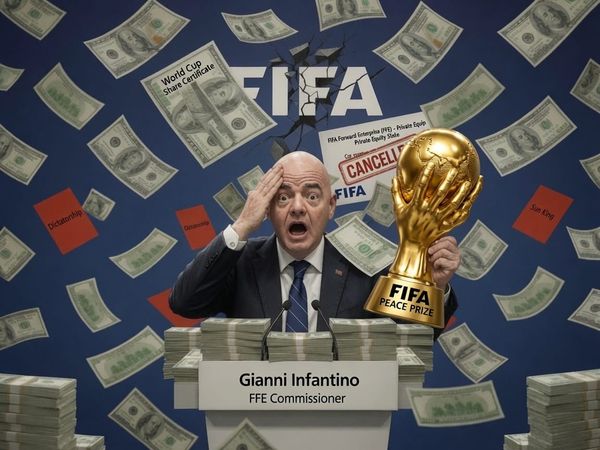
By scrapping FFE, Gianni Infantino is trying to save his own skin. The reaction to his plans has been overwhelmingly negative worldwide, and within FIFA itself, a key figure – COO Kevin Lamour – has spectacularly turned his back on him. Infantino must go, but that alone is not enough.

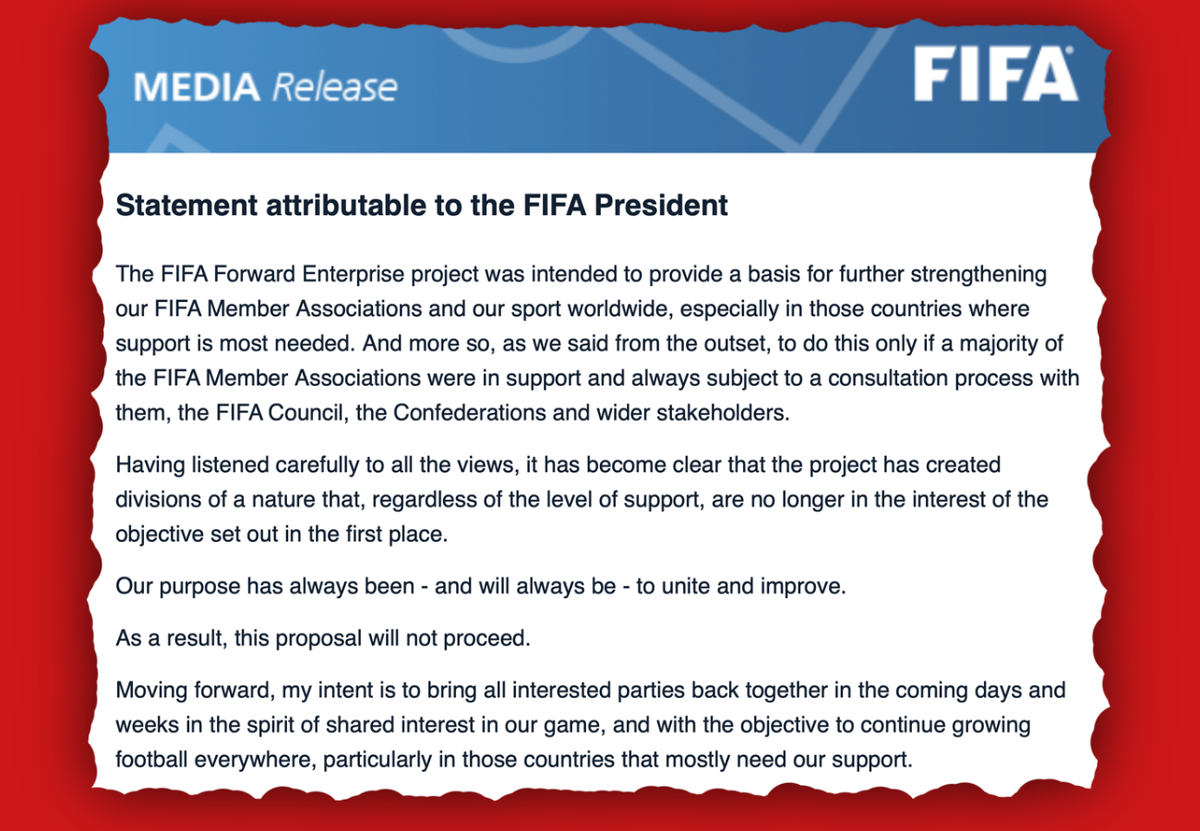
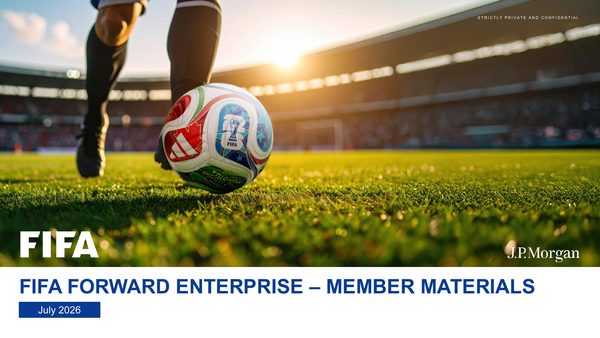
As so many (rightly) celebrate that FIFA President Gianni Infantino has abandoned his proposal to establish FIFA Forward Enterprise after just 96 hours, the question has become: is he toast? Can his presidency survive until next spring, when the election is due in Morocco, let alone secure another term?
It is an understandable question, and it’s probably fun to speculate on, but that is not the real issue to be addressed.
What the past week has revealed is that football is capable of being engaged in questions of governance and resisting the wrong course of action when the matter is important enough to them. In this instance, UEFA led the way, followed – albeit in somewhat more muted, legalistic language – by CONCACAF and the AFC.
The awarding of the 2018, 2022, 2026, 2030 and 2034 World Cups all generated controversy and criticism to varying degrees. The latter three were all under Infantino’s watch. So too was the warding the FIFA Peace Prize to Donald Trump last December. Yet none of that was ever enough for the football community to stand up and say ‘enough is enough’.
It turns out that FIFA Forward Enterprise was the point at which football was finally willing to draw a line in the sand.
If the outcome of this withdrawal is merely that Infantino is replaced as President, either now or in March 2027, then football will have missed an important opportunity.
Replacing one President while leaving intact the governance structures and concentration of power that made such a proposal possible would simply leave those same tools in the hands of someone else. That has been the defining characteristic of the FIFA President in the guise of each of João Havelange, Sepp Blatter and Infantino.
The withdrawal of FIFA Forward Enterprise should therefore be the start of real change that football has postponed for far too long.
Resistance alone is not enough. The confederations have finally shown they can say no. The question now is: what are they prepared to say yes to? Having demonstrated that it can resist, does football also have the courage to redesign the way it governs itself?
The governance debates following the 2011 and 2015 crises reached a common conclusion: FIFA’s governance will always have the potential to be flawed without systemic structural reform and genuine cultural change. Infantino’s hubris and actions, particularly over more recent years, have further demonstrated the need for this.
Football still needs governance structures that distribute power more broadly, strengthen accountability and transparency, and recognise that those entrusted with the game are its custodians, not its owners.
If football fails to seize this moment, the events of the past four days will be remembered as yet another episode in the comedy-drama that is FIFA politics. If, however, they become the catalyst for genuine structural reform, then FIFA Forward Enterprise may ultimately be remembered for the governance conversation it finally forced football to have.
The withdrawal of FFE, therefore, is not a victory. It is an opportunity.
Bonita Mersiades is the owner of Fair Play Publishing, author of Whatever It Takes – the Inside Story of the FIFA Way, recognised internationally as a FIFA whistleblower, and was a senior executive with the Australian FA. She has long campaigned for governance reform of FIFA. She is on the Advisory Board of the Reboot FIFA campaign.